2024
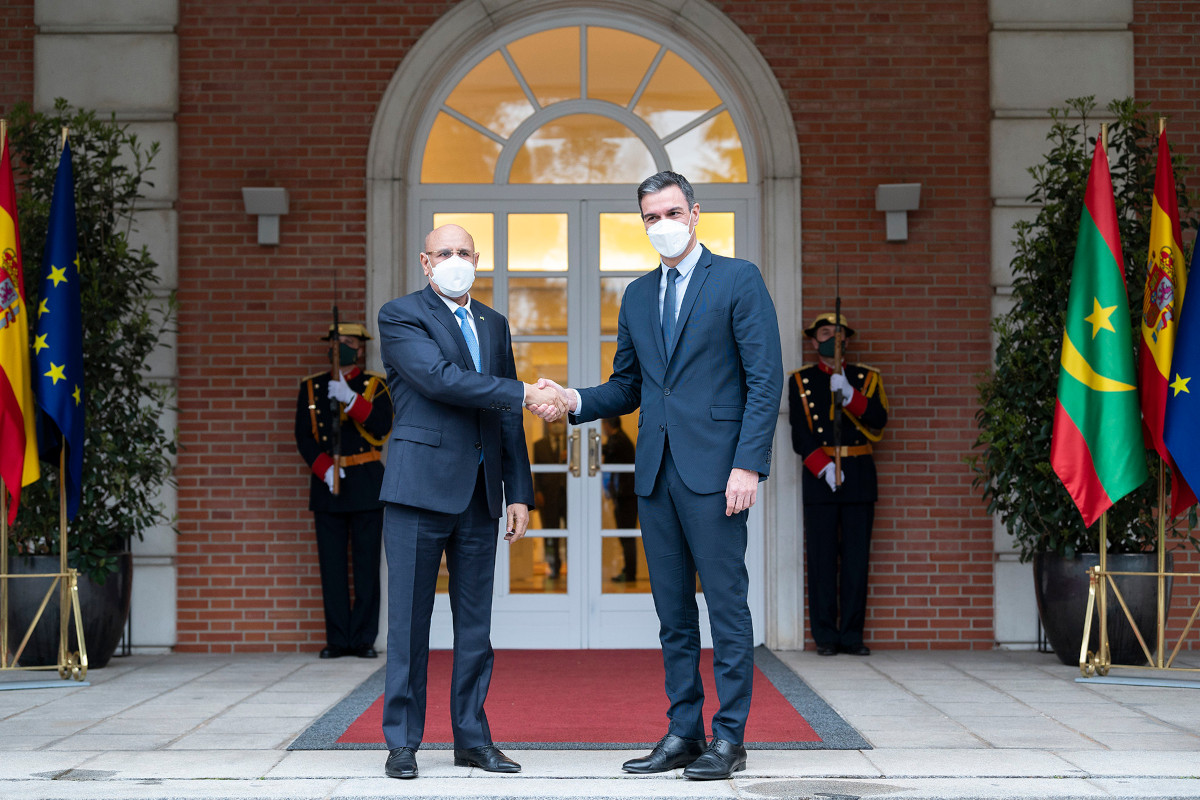
The politics behind the EU-Mauritania migration partnership
On 7 March, the EU and Mauritania signed a landmark “migration deal.” This January note from the European Commission makes the case for the deal to EU member state representatives in the Council. Dated 26 January, and therefore preceding both the public announcement of the deal on 7 February and its signing one month later, the note offers insight into the politics behind the migration partnership deal between Mauritania and the EU.

Charting a course through the labyrinth of externalisation
“Migration is a European challenge which requires a European response” has become a favoured refrain of EU officials and communiques. While the slogan is supposed to reinforce the need for a unified EU migration policy, it also masks the reality of the situation. The EU’s response to migration – in particular, irregular migration – is increasingly dependent on non-EU, and non-European states. Billions of euros and huge diplomatic efforts have been expended over the last three decades to rope non-EU states into this migration control agenda, and the process of externalisation is accelerating and expanding. Understanding the institutions and agencies involved is a crucial first step for anyone working for humane EU asylum and migration policies.

Putting the cart before the horse: the Commission’s proposal to increase Europol's powers
Hounded by criticism from civil society and EU member states over its new proposal to increase the powers of Europol, the European Commission has belatedly published an “analytical document” in lieu of a formal impact assessment. The new proposal would lead to the storage of vast quantities of information by Europol on human smuggling and trafficking cases, intended to increase investigations and prosecutions. However, the Commission’s document offers a minimal analysis of the potential impact on individual rights, particularly of people in vulnerable situations, and the data protection safeguards at Europol are inadequate for the proposed changes.
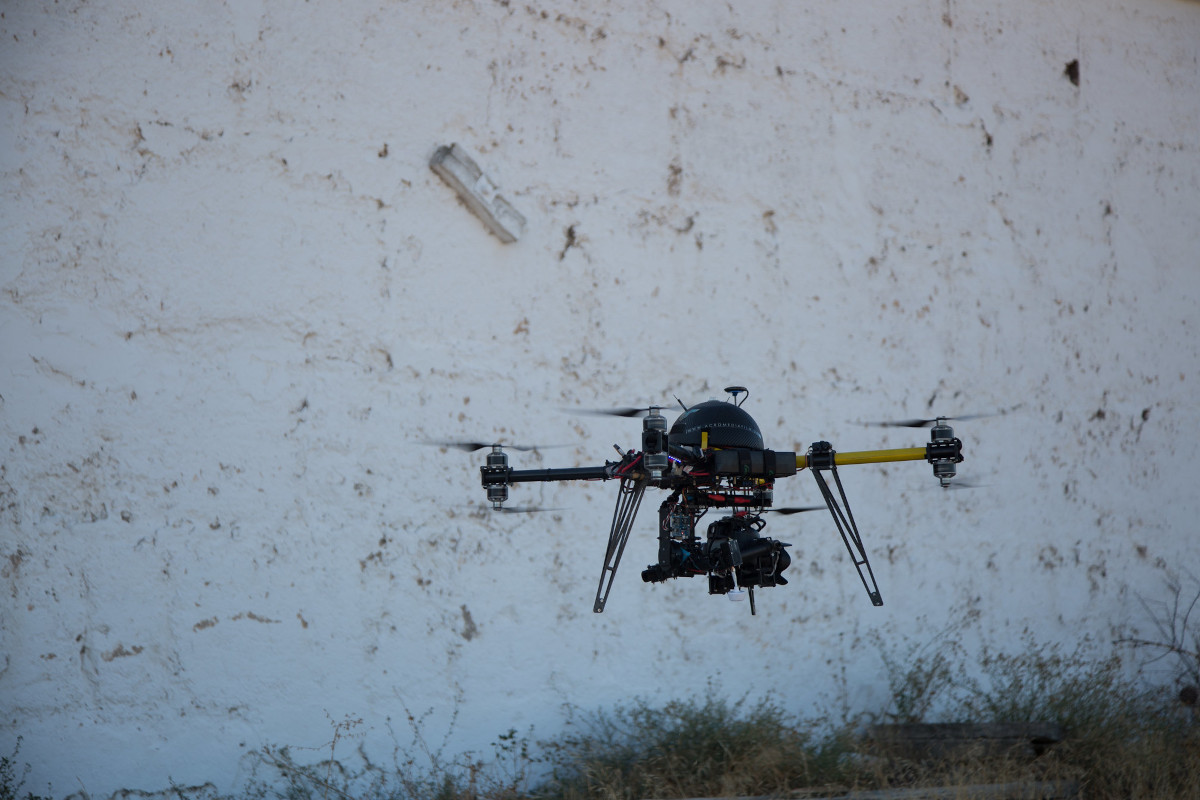
European money for the war in Gaza: how EU research funding supports the Israeli arms industry
Technologies developed with financial support from Europe are being used in the current war in Gaza, as they have been previously in occupation of Palestinian territory and marginalisation of the Palestinian people.
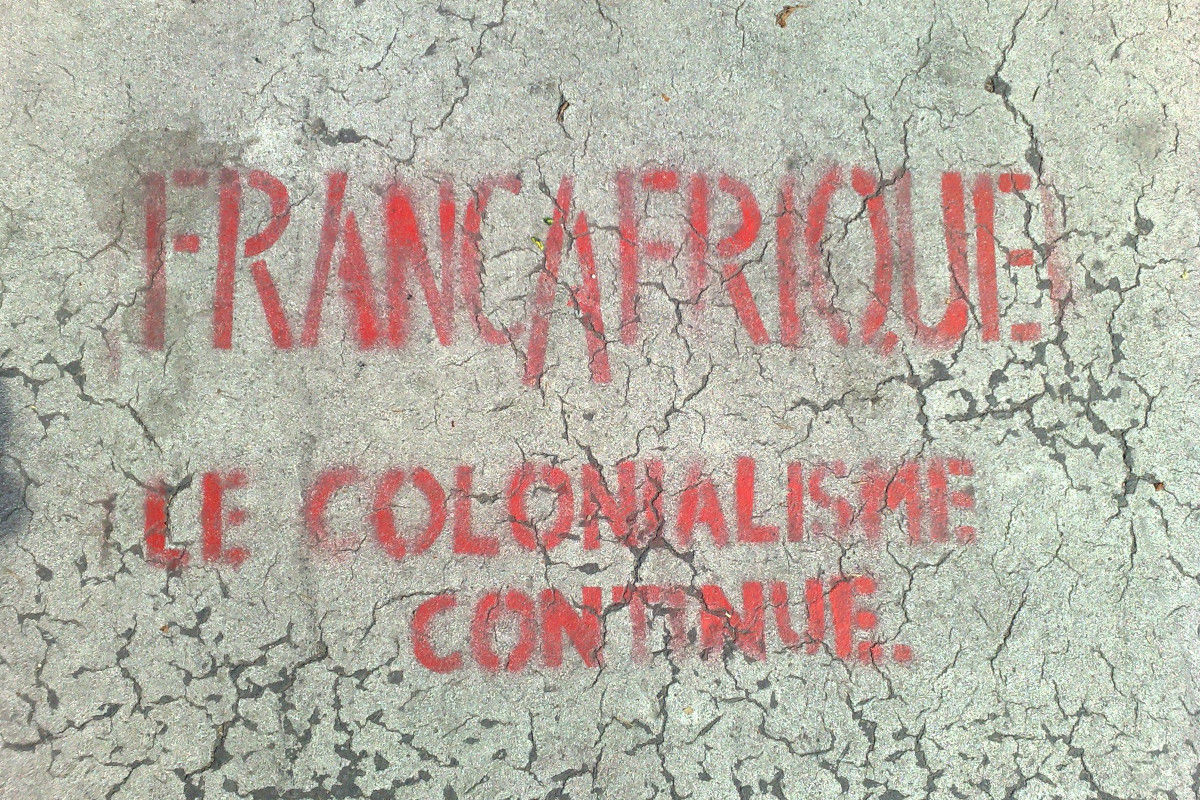
The case of Civipol: commodified mobility policing in West Africa and its colonial continuities
Current European attempts to outsource migration control to West Africa mirror historical entanglements between colonial logics, corporate interests and policing. This article looks at the place of public-private relations in French colonialism in order to historically situate the activities of Civipol, a French public-private actor owned both by the French state and major security companies, that has specialized in building African states’ internal security capacity.
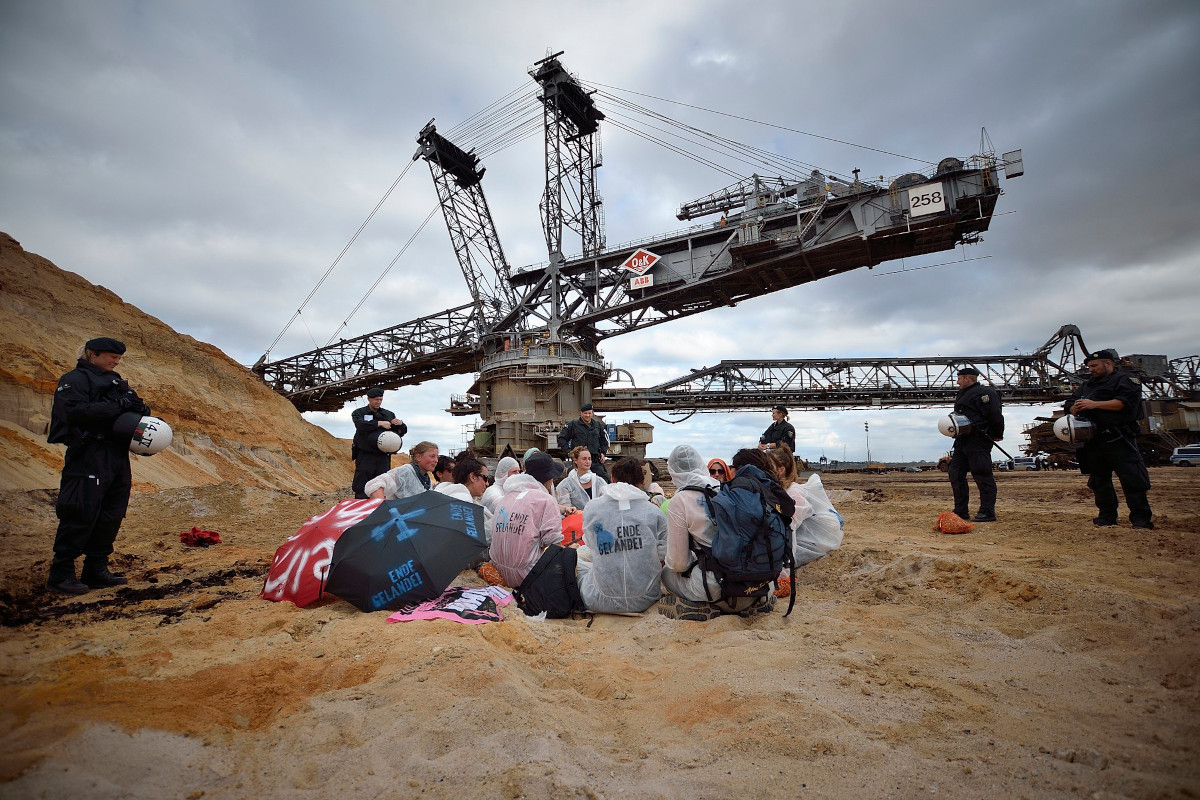
Environmental activism under the EU counter-terror microscope
Next week, EU and member state officials will discuss “the role of climate change and environmental concerns in violent extremist and terrorist radicalisation.” A discussion paper for the meeting, obtained by Statewatch, considers the threat posed by “violent left-wing and anarchist extremism” – a heading under which a number of prominent environmental protest groups are mentioned. The inclusion of peaceful but disruptive groups in the paper may legitimate further police surveillance and infiltration, legal harassment and government crackdowns – a problem identified as “a major threat to human rights and democracy” by a UN Special Rapporteur.
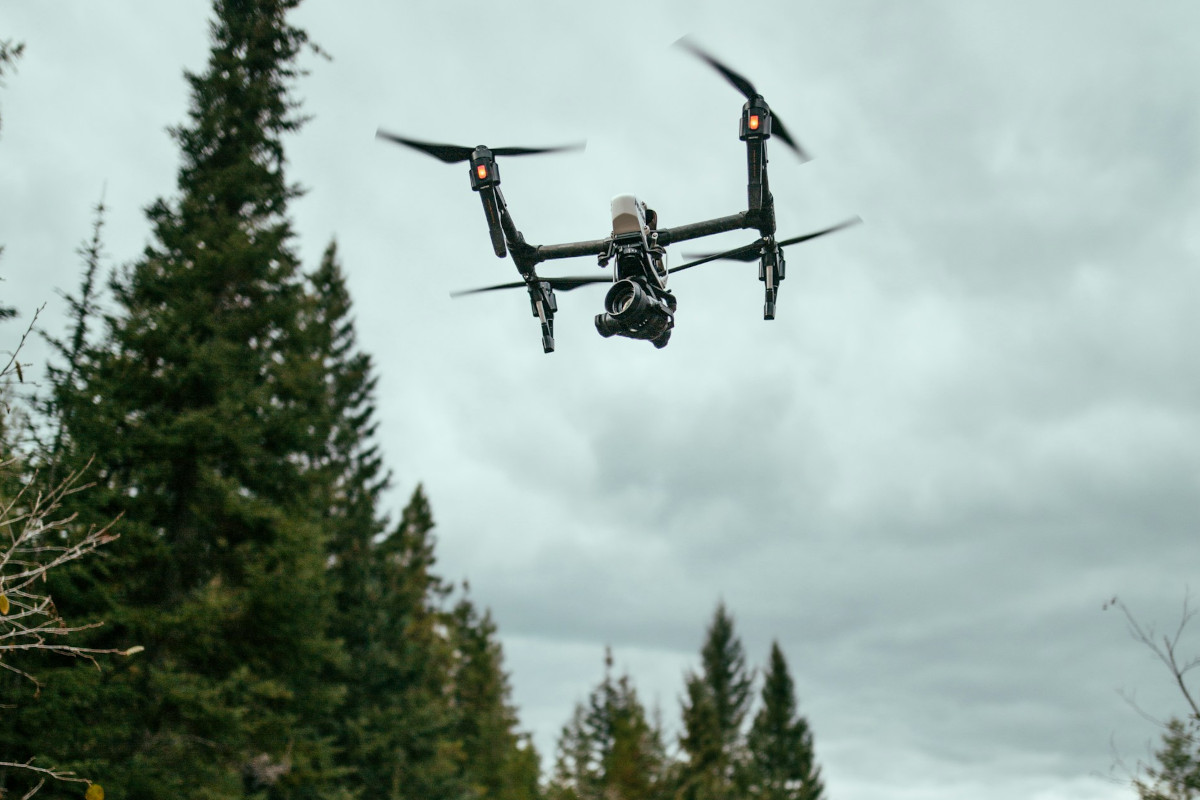
Border security with drones and databases
The EU’s borders are increasingly militarised, with hundreds of millions of euros paid to state agencies and military, security and IT companies for surveillance, patrols and apprehension and detention. This process has massive human cost, and politicians are planning to intensify it.

Frontex and deportations, 2006-22
Data covering 17 years of Frontex’s deportation operations shows the expanding role of the agency. We have produced a series of visualisations to show the number of people deported in Frontex-coordinated operations, the member states involved, the destination states, and the costs.

Germany: Fatal police shootings in 2022
For the year 2022, the official firearm usage statistics of the Conference of the Ministers of the Interior recorded a total of 54 shots fired at people. 11 individuals were killed as a result. This is three more than the previous year. Legally, these shots were classified as self-defense/emergency aid. 41 people were injured due to police firearm use.
Spotted an error? If you've spotted a problem with this page, just click once to let us know.