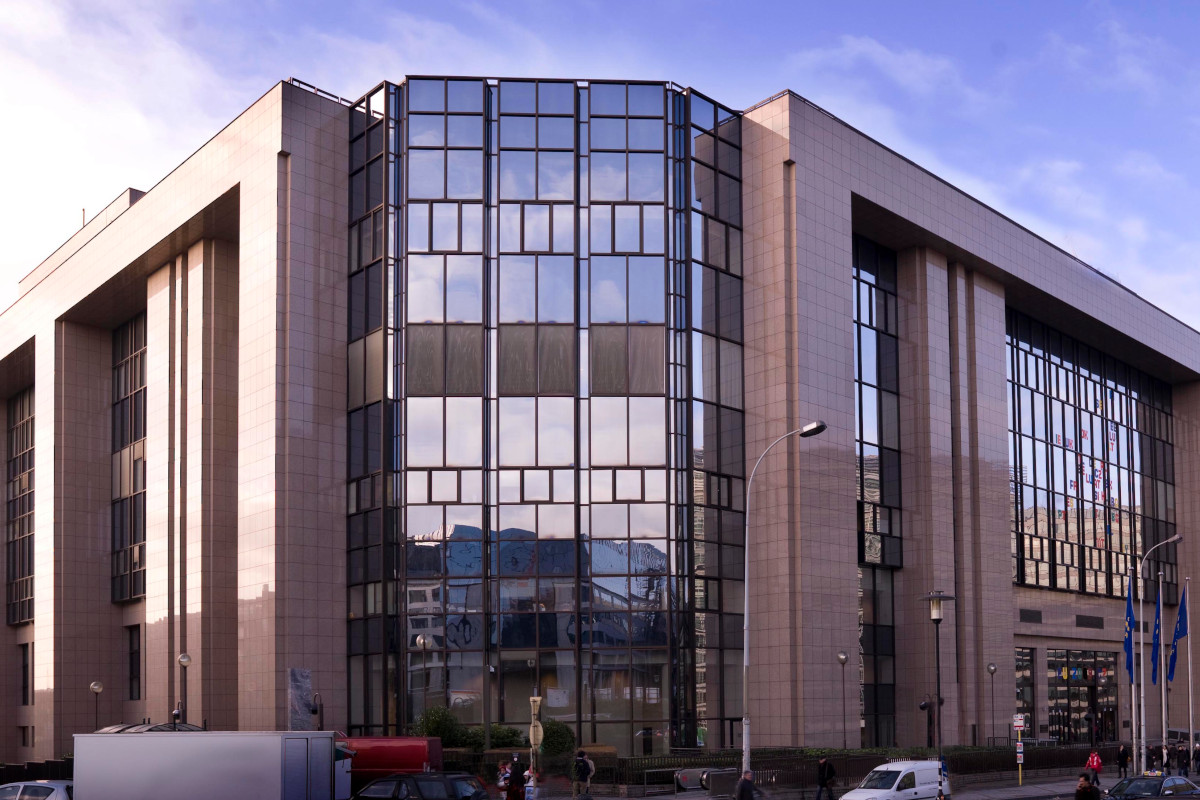
Image: Fabrice Florin, CC BY-SA 2.0
The Voluntary Solidarity Mechanism was approved in June and is supposed to reduce the “pressure” on southern EU states experiencing the arrival of substantial numbers of refugees.
So far, however, member states appear to be unwilling to meet the targets set. This would not be the first time a refugee relocation scheme within the EU has failed to go to plan.
As the September document on the latest scheme (pdf) notes:
“LT [Latvia] confirmed that its pledge for 20 persons would be implemented in 2023. Additional interviews on the ground are required, possibly in one longer deployment. 4 old pledges are still pending from the previous relocation exercise, and it remains to be confirmed when the recently cancelled additional interviews can be held.” [emphasis added]
Spain has so far done little to nothing:
“ES reported that the Ministries of Inclusion and of Interior are discussing internally and reflecting on a possible first pool of candidates, as well as gathering respective needs to request assistance from EUAA, which would require an amendment to the Operating Plan. No timeline is available as of the start of the transfers. COM reiterated availability to provide assistance and usefulness to discuss pools ahead, also with EUAA.”
France has been refusing candidates on security grounds:
“FR informed that it plans to interview about 50 candidates in its mission to Italy at the end of September. An upcoming 2 weeks mission from the 17th to 28th October to CY will allow interviewing about 100 of the 157 candidates from Afghanistan and Syria. FR confirmed that the use of remote interviews is still not possible, but considerations are being made on increasing the teams deployed to conduct interviews, so as to accelerate the exercise.
Bilateral discussions are ongoing with ES. FR is also examining how to provide relevant details bilaterally to the competent authorities of the beneficiary Member States after refusing candidates based on security reasons.”
While Bulgaria is being explicitly picky:
“BG has a preference for Syrian nationals, ideally families, and thus sent a request to CY for receiving 50 candidates in October, 20 in November and 20 in December, with no additional interviews needed. A bilateral meeting is planned on 23rd September with the CY authorities.”
The paper closes with:
“4. WAY FORWARD/OPERATIONAL CONCLUSIONS
-
- COM will update the VSM monitoring table on a weekly basis, based on input by EUAA, IOM and MS. Member States are requested to keep COM informed on all developments in terms of available pledges, proposed lists of candidates, acceptances, interview missions and transfers with a view to
- The workflow on the relocation of UAM candidates will be shared with partners and Member States shortly for comments.
- COM will share again through the Solidarity Platform the contact list of DG HOME officials based in the respective MED5 countries, who act as contact points to facilitate the process and who need to be copied to all relevant communications related to operational activities. Participation of Member States and the other partners should include representatives in charge of carrying out the exercise at operational level. Member States are invited to share with DG HOME any updates on their operational contacts.
- The Solidarity Mechanism functional mailbox also remains in place for official communications (i.e. MSs communicating availability of pledges).
- Next meeting planned for 13th October (tbc). The frequency will be adjusted in the light of needs.”
Documentation
- European Commission, DG Migration and Home Affairs, SOLIDARITY PLATFORM ‘PACT’ TECHNICAL MEETING ON RELOCATION THURSDAY 22 SEPTEMBER 2022 OPERATIONAL CONCLUSIONS (documented marked SENSITIVE, undated, pdF)